
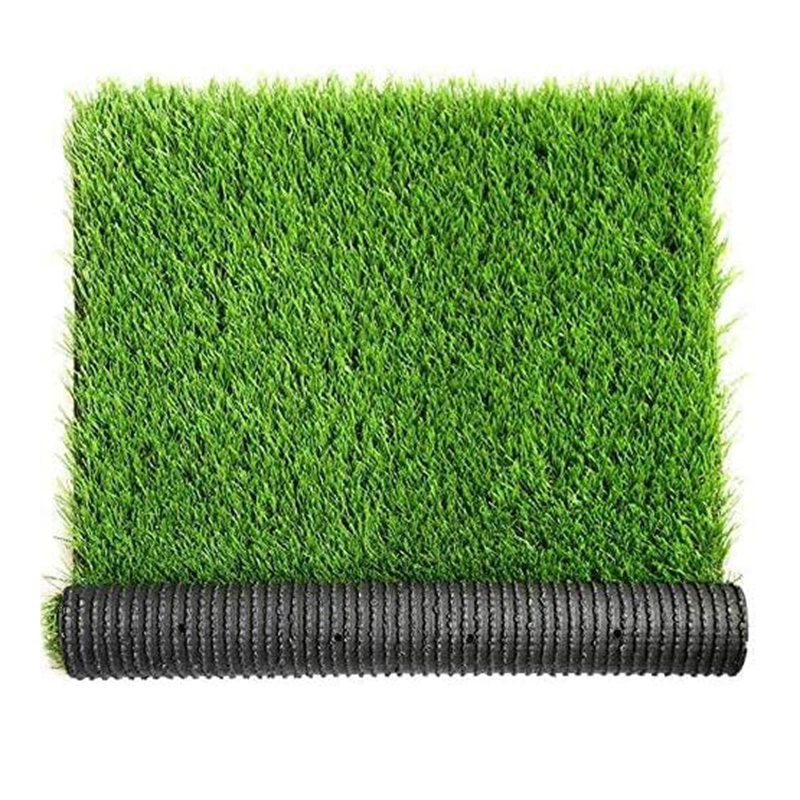
Yameiju Lawn, with its large modern production base of over 20,000 square meters, has gained a reputation for producing high-quality artificial turf and mats, including friction pads, seven stripes, mud scraping pads, and diatom mud. However, the company caught the attention of the public and media for its new line of doormats, which feature rude and potentially offensive phrases and images.
While some consumers have found the doormats to be humorous and lighthearted, others have expressed their concerns about the potential harm and offense that these products may cause. The controversy has raised questions about the responsibility of companies in ensuring that their products do not contribute to a culture of disrespect or insensitivity.
In response to the controversy, a spokesperson for Yameiju Lawn issued a statement, acknowledging the concerns raised by the public. The company expressed its commitment to taking the feedback seriously and reassured the public that it would reevaluate its product line to ensure that it aligns with the values of respect and consideration for consumer sensitivities.
The debate over the rude doormats has highlighted the larger issue of ethical considerations in product design and marketing. Companies are increasingly being held accountable for the impact of their products on societal norms and values. As consumers become more conscious of the societal and cultural implications of their purchases, companies are being called upon to uphold higher standards of ethical conduct in their product offerings.
The controversy has also sparked discussions about the boundaries of humor and satire in consumer products. While humor is often used as a means of lightheartedness and entertainment, it is important to consider the potential impact of humor that may be perceived as offensive or disrespectful. Companies must navigate the delicate balance between humor and sensitivity, especially in a global marketplace where cultural norms and values vary widely.
Yameiju Lawn's response to the controversy will be closely watched by consumers and industry observers. The company has an opportunity to demonstrate its commitment to ethical product design and marketing, and to show that it takes consumer feedback seriously. How Yameiju Lawn addresses this controversy will not only impact its own brand reputation, but may also set a precedent for how other companies approach similar ethical dilemmas in the future.
As the debate over rude doormats continues, it is clear that consumers and companies are increasingly aware of the ethical implications of the products they create and purchase. The controversy surrounding Yameiju Lawn's doormats serves as a reminder of the importance of considering the potential impact of consumer products on societal values and norms. In an age of heightened social consciousness, the responsibility of companies in shaping cultural discourse through their products has never been more significant. It remains to be seen how Yameiju Lawn will address this controversy and whether it will set a new standard for ethical product design in the industry.